


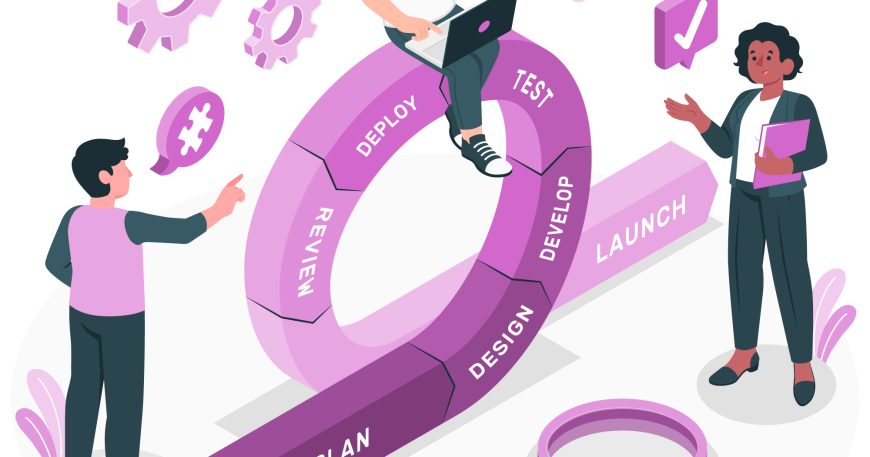
In today’s fast-paced digital landscape, Agile methodologies have become increasingly popular for software development projects. Agile is a flexible and iterative approach that emphasizes collaboration, adaptability, and customer feedback.
Benefits of Agile Development: Agile offers numerous benefits, including faster time-to-market, increased flexibility, improved stakeholder satisfaction, and better alignment with business goals. By breaking down projects into smaller, manageable tasks and delivering incremental value, Agile teams can respond quickly to changes and deliver high-quality software.
Agile Frameworks: Three popular Agile frameworks are Scrum, Kanban, and Lean. Each framework has its own principles, practices, and tools, but they all share the common goal of delivering value to customers through iterative development and continuous improvement.
Key Principles of Agile Development: Agile is guided by 12 principles outlined in the Agile Manifesto, including customer collaboration, responding to change, and delivering working software. These principles emphasize individuals and interactions over processes and tools, customer collaboration over contract negotiation, and responding to change over following a plan.
Implementing Agile in Your Organization: Successfully implementing Agile requires a cultural shift within the organization, as well as training and support for team members. Organizations should create cross-functional teams, establish clear goals and priorities, and foster a culture of transparency, collaboration, and continuous improvement.
Common Challenges and How to Overcome Them: Despite its many benefits, Agile development can present challenges such as resistance to change, difficulty in estimating project timelines, and maintaining communication and collaboration among team members. However, these challenges can be overcome with proper training, communication, and support from leadership.
Case Studies: Real-world examples of Agile success stories demonstrate how organizations have benefited from Agile methodologies. These case studies showcase the impact of Agile on project delivery, customer satisfaction, and business outcomes.
Conclusion and Next Steps: Mastering Agile is a journey that requires dedication, continuous learning, and adaptation. By embracing Agile principles and practices, organizations can achieve greater flexibility, responsiveness, and success in their software development projects.
